
Tell us what made you want to become a chef?
To be honest, I didn't know I wanted to be a chef, really, until I was in hospo in my teen years. I didn't even really know that I was going to be a chef until I was in my apprenticeship. When I was 19, I decided that I just loved hospo so much, but at the same time, I didn't really love being in front of the customers as much as I liked being in the kitchen. So I organically moved or progressed from the front to the back. I just loved being in the kitchen because it was where all the pirates were. You got to have fun. You got to be dirty. You got to make a mess and play with food. And it was such a fun and exciting space for me because I just loved food so much. It was an opportunity to just constantly be involved with the food side of things, making delicious food, learning about how techniques work, and exploring all of the interesting things about food, life around food, and where food comes from. I think I've always had an innate interest in food ever since I was a little kid. And it was just a natural progression for me ultimately.
What was your apprenticeship like?
It was an interesting time in my life. My apprenticeship started later than most people would start. I was nineteen by this stage. I'd done a bit of study in hospitality and decided that the back of house was far more exciting than front of house. I started my apprenticeship in 2000, and it was a bit of a different time in the hospitality industry. We'd moved out of the chaotic, crazy, abusive, wild brigade-style kitchens that were ungoverned in a way. And we were moving into a more modern time. There was a lot more support for women joining the industry, and I felt like it was a space I could work in. I did have some challenging times. There was still some crazy behaviour around, there were still abusive situations, and a lot of people were taking advantage of younger people in the industry. I had some scary moments for sure.
When I was in my second year, I landed a job in quite an incredible restaurant in Sydney, Bistro Moncur, which had two Chef’s Hats. I was so incredibly fortunate to be in that space; they had a policy that they would work with a 50% female, 50% male team. They had the ethos very early on that brought a great deal of balance to the team. I was incredibly lucky to land such a job. I worked so, so hard in that space and learned a lot about discipline, technique, cooking, food, provenance and understanding. And that's really where the depths of my passion started to sink in. I learned a lot about myself, the industry and food. It was a beautiful time to be in a kitchen.

What are some common themes of chef injuries?
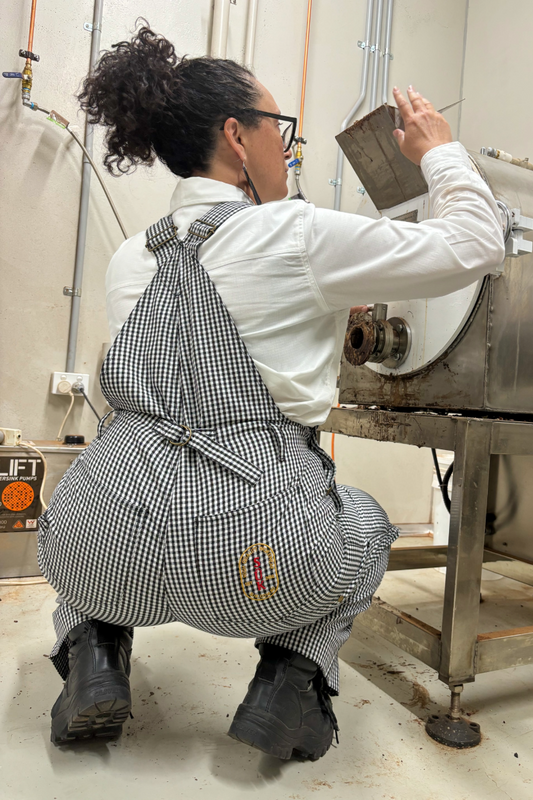
Well, it's funny you should ask that question now because as we speak, I'm currently sitting here with eight stitches in my thumb. It's a career-best injury for me in terms of stitches. I slipped while cutting something with a bread knife, and I took a fairly sizable chunk out of my hand. So I'd say pretty common themes, obviously, cutting yourself, burning yourself. But, I think more of a running thread of injuries is ligaments and tendons. Your wrists, knees, elbows, and shoulders are pretty significant. Back injuries are pretty significant, and a lot of that comes down to repetitive strain and poor ergonomics. We've come a long way in our industry, so things aren't as bad as they used to be. We've learnt a lot about how we should be moving ourselves around. But it lends itself to some pretty interesting injuries just off the pure point of we're on our feet a lot, and we spend a lot of time lifting heavy things in awkward ways because we're trying to manoeuvre in and out of fridges. We're hot, we're cold. We're in and out of spaces where it's awkward to move in and around.
What are you most passionate about in your industry/role?
I see myself having been in the industry for twenty-six years now. The things that I see as my biggest passions are education, which is a huge piece of the puzzle, and preventing food waste. Educating the people who are coming up in the industry and guiding them, helping them to see the value of things in our industry. Preventing food waste is not just about what comes back off plates, but it's also about what isn't going onto plates. Some of the simplest things we do are around preservation. We use a lot of methodologies like dehydrating, pickling, preserving, and making jams, sauces and stocks. Basically, just returning to the old world of using absolutely everything that comes in because you don't have an option to do anything else with it. I do a lot of dehydrated vegetable scraps. All of our herb stalks, for example, are dehydrated at a very low temperature so they'll retain their colour. We then blend them into powders and use those powders to season food. We do the same thing with onion and garlic skins. They all get dehydrated and turned into powders, and we use those to season our food in various ways; in sauces, soups and stocks, directly onto food and then roasting it. It's just a really beautiful way to extend the life of every ingredient, but also it brings such an enormous layer of flavours to the foods that we're using. It just gives us another aspect of umami and richness and development in layers of flavouring.
What do you feel like needs changing in our industry?
Like every industry, it's ever evolving. One of the things that I have seen change the most is around people's mental health and balance, comfort, and physical and mental comfort in the industry. It needs to evolve more. You know, the old saying, happy wife, happy life. It really relates to so many things. If your team is happy and engaged, then they're going to be the best employees they could possibly be. And I feel like the more balance we have in our lives, the fewer injuries we have, the less stressed we are, the more engaged we are in the work that we're doing while we're there. And, therefore, you're going to end up with a better product at the end of the day. And a better product is always going to bring more people. It's like a circular economy of strength when you are able to balance all of those aspects as best you can. For me, I think that evolution is the thing that I would like to see continue.
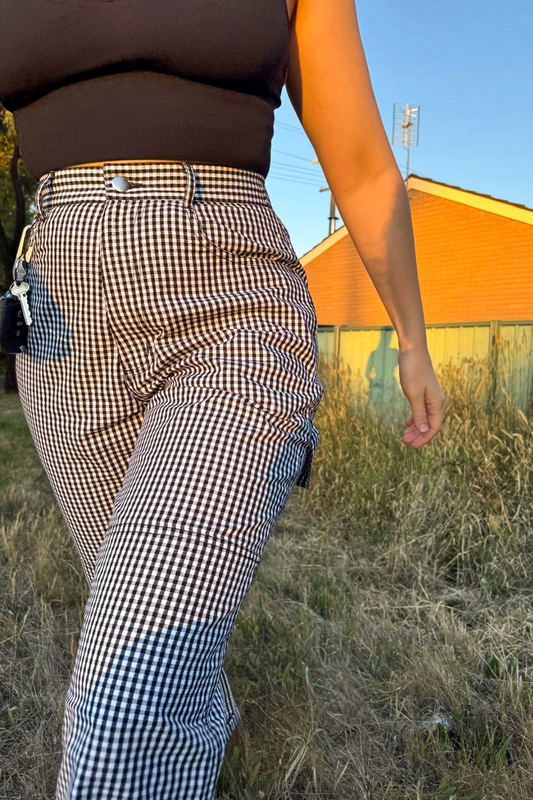
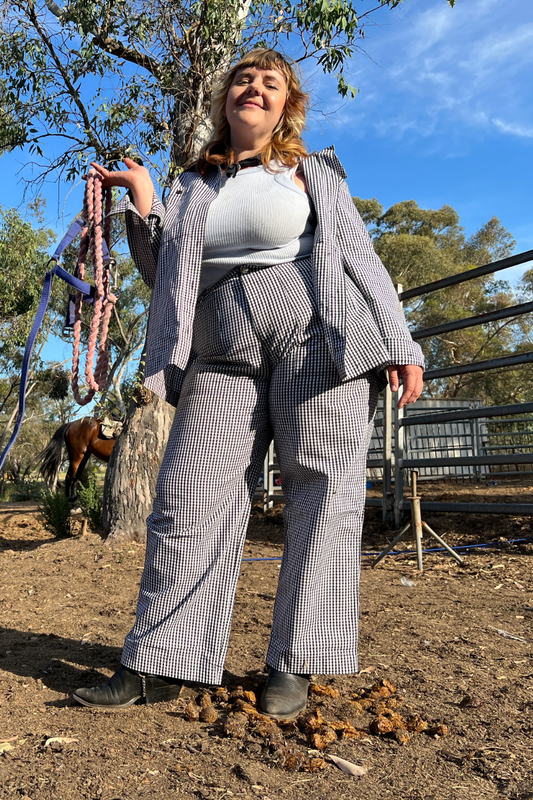
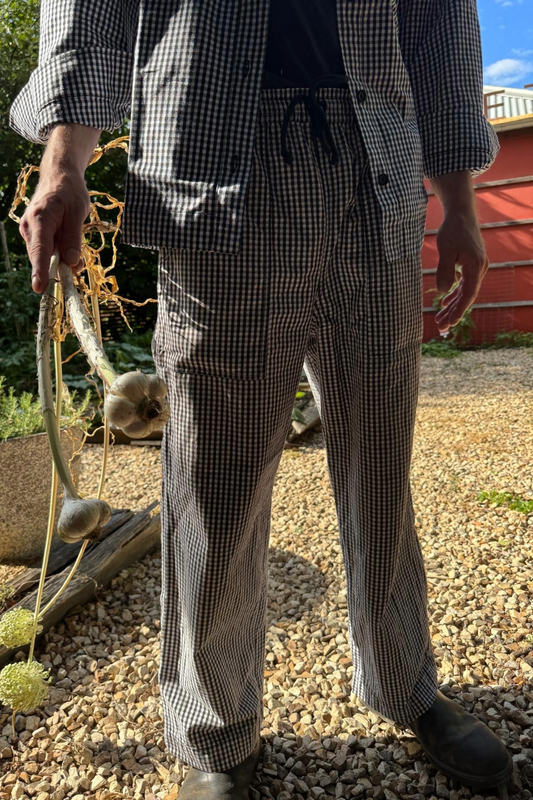
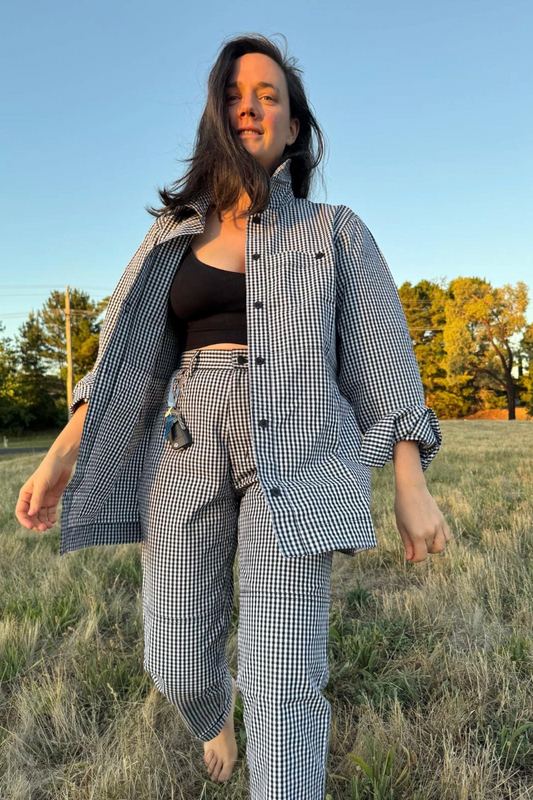
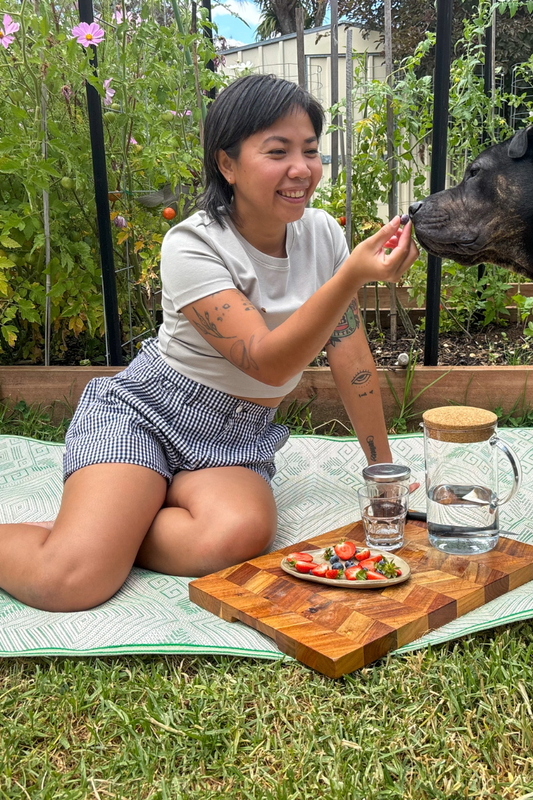
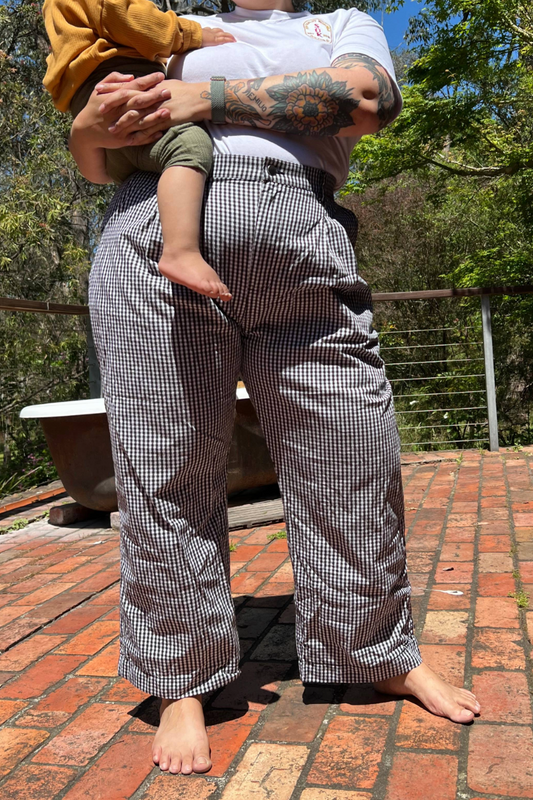
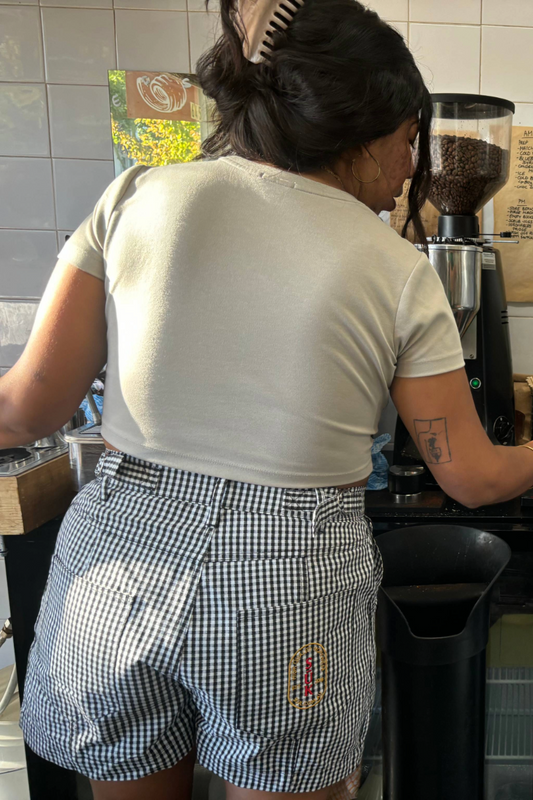
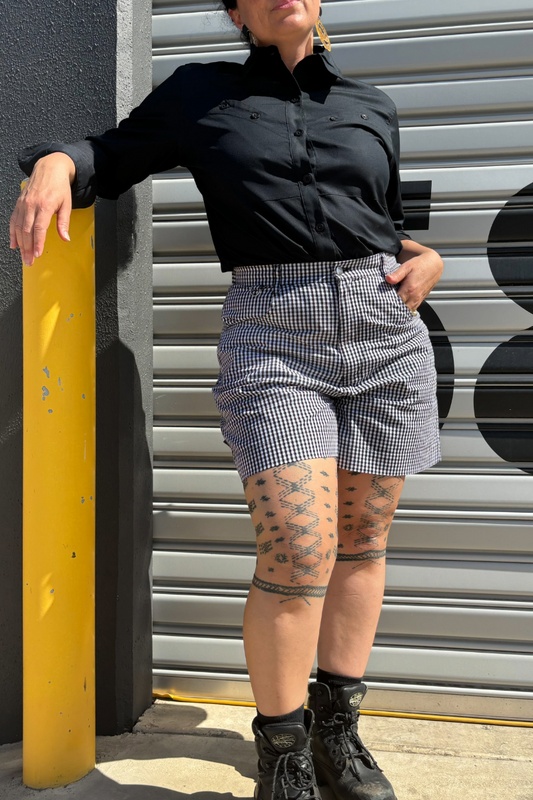
The other thing for me is that the evolution of clothing in the industry has been absolutely pivotal. I started in this industry twenty years ago, and finding SÜK and being able to wear it in the workplace like that was so revolutionary for me because I've just never felt comfortable in clothing, like I feel comfortable in SÜK. It’s been a pivotal change for me to be able to wear clothes that are designed for bodies like mine. And that's something that has been extremely comforting to me. When I'm in and out of the kitchen, I feel like I can look professional in my workwear because it fits both the kitchen and the floor. I feel very confident to be able to walk out onto the floor and to be able to go to meetings and still look like I'm a professional chef. But at the same time, I feel like I'm a professional person as well. I don't just have to be wearing a chef's uniform.

How do you juggle the demanding lifestyle of a chef with being a parent of young children?
It’s very difficult to do on the day to day. It’s very challenging to manage the expectations of myself, to be a leader in the kitchen and a professional with the demands of a restaurant and actually a second business now. It’s been extremely difficult to balance that and find time for the children, find time for my wife, find time for myself, and dedicate as much time to my craft as I would like to.
It's so incredibly rewarding, though. When you do great things at work, it feels really good. But when you and your team are happy and engaged, and when you come home at the end of the day and you see your kids and get to hang out with them, cook them dinner and read them stories and cuddle them. It's unparalleled, the joy that they bring. And I think it's very difficult to be unhappy when you have little kids around that are just happy little beings. I just try to enjoy every moment that we do get to spend together. I dedicate my days off to my kids so that they have that dedicated time to them, and it feels to them like Christmas when we get to spend a whole day together. We do fun things, and we get to play. It's not easy, but dedicating specific days to them makes them feel special, and it gives me such joy and vibrancy back in my life. It's bloody exhausting. But it’s very rewarding.
What are some of the unknown quirks of your job site?
I think probably the most untapped resource is the gardens. I've been there for two years now, and every day, every week, I'm basically learning something new about what we have in our gardens. And as the seasons have changed so much over the last few years, we've seen different things come and go. It's really been interesting to watch the evolution of the garden. Things that I spoke to the gardener about two years ago, we've started to see come up because we've been able to plant new things and we've been able to evolve our the garden to our spec in some ways, but it's also been really interesting to watch the evolution of the natural ground, sprouting seeds that have been laying dormant and things that have just come up out of nowhere from a couple of years ago, but then they've come back because we've had great rain, or we've had the right conditions for them to, to evolve again.
Is there anything we haven't asked that you'd like to talk about?
Macgregor's, my new burger shop. It's going wild. It's such a beautiful little business. We thought we'd have this fun little side hustle of this little burger joint that we'd turn into a food truck after three months. And we've now extended our lease to twelve months, which is super exciting. We plan to take it to trucks as well, but what's great about it is just the love of the brand, the love of the burgers and the community around us that is growing and evolving with us has just been so beautiful.
We have spent a lot of time balancing the ratios of the burger to get it right. And I think there's so much love for that dedication, and it's just a super exciting, fun thing to be doing at the moment. It's probably the only thing that I like talking about outside of the questions that you've asked. It's such a great little brand, and I think it's going to be a pretty wild ride for the next year. And that's what I'm looking forward to, evolving Heide Kitchen and stretching that out, and making it as good as it can be, but also just developing this little brand and making sure that we are giving as many people the best burgers in Melbourne as we possibly can.
Follow Laura on Instagram and check out Heide Kitchen, in Bulleen, VIC and Macgregor's Original, in Abbotsford, VIC.